
El Capitana Shipwreck 1654
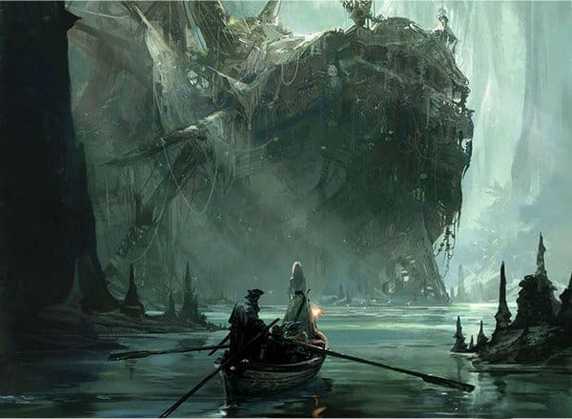
On October 18, 1654, the 1200-ton La Capitana I Jesus Maria de la Limpia Conception weighed anchor in Callao, Lima's port city, and Captain de Sossa ordered a course set north for Panama. Built in Guayaquil in 1644, La Capitana measured 130 feet, more than 40 feet longer than any Spanish ship on the high seas. The largest ship built in the Americas, the barrel-shaped galleon was twice the size of the famous Atocha (sunk 1622) discovered by treasure hunters in 1985 near Key West.
On this day, La Capitana carried in her timbered hold a fortune worth a king's ransom in treasure: taxes collected over a two-year period, valuable coins from the counterfeiting scandal that rocked Potosi, and millions of pesos in contraband not listed on the ship's manifest. Not counting the contraband, La Capitana's cargo included 2,212 silver bars, 216 chests of silver coins, and 22 crates of silver goblets, pitchers, trays, and candelabra.
Dangerously overloaded with treasure and six hundred passengers, La Capitana rode deep in the water, her keel twenty-four feet below the surface. So heavily laden was La Capitana that her escort ship, the Almiranta, had to lower its sails so as not to overtake her laboring charge. It took the two ships a week to inch up the coast to the Bay of Guayaquil.
At 11 o'clock on the night of October 26, 1654, under a full moon, the bow lookout aboard La Capitana noticed land. A navigational error had brought the ship perilously close to shore. The pilot ordered the cannon fired, once, and then again, to alert the Almiranta's Captain Alonzo Montero following behind. He then ordered the sails tightened. La Capitana heeled slowly, turning laboriously across the wind and heaving toward the open sea. It was then that the ship's keel slammed repeatedly against an underwater reef. The heavy blows took their toll. The rudder broke free and the La Capitana was out of control.
Frantically, the crew tried to turn the stricken ship away from the rocks and drop anchor, their work hampered by the clutter of boxes and crates of unregistered and personal cargo. Amidst the chaos and confusion, sailors struggled to disentangle an anchor cable. This cost precious time. With the ship crashing against the rocks below, the crew finally dropped two anchors just as the ship heaved. The anchors tethered La Capitana perilously close to the reef.
That night, the exhausted crew toiled ceaselessly at the pumps while all who could pitched in, bailing with jars or anything that lay close at hand. As dawn broke on October 27, the situation grew even more dire. Rising water defied the pumps. Water in the lower hold rose nearly five feet and continued to rise. Captain de Sossa stayed with his ship, lurching about his cabin. A ship's officer later testified that the captain had been consuming the hallucinatory paraguas plant. At length, Captain de Sossa roused himself long enough to dispatch Don Francisco Tello in the gondola with orders to row to the Almiranta and bring prompt help to unload the royal treasure.
While they waited, sailors aboard La Capitana cut an opening through the deck and struggled to haul the heavy silver ingots up from the hold. But no boats came. Don Francisco Tello returned with word: expect no help, for the Almiranta too had scraped rocks and feared the worst. As this news was delivered, Captain de Sossa turned to see the Almiranta hoist her sails and move off.
Water gushing through planks in the damaged hull rose to fourteen palms and churned ominously in the holds. Treasure chests littered the deck, but there was no help in sight. Captain de Sossa ordered the mast cut to make rafts and so transport the silver to shore. But as the captain and soldiers left the ship, panic broke out. The crew ignored orders to stay aboard. In desperation, crew and passengers leapt into the sea, grasping planks, cables, masts, and even chicken boxes.
Twenty passengers jumped over the side and swam towards shore, their pockets stuffed with gold, silver, and other valuables. All died.
By three o'clock on the afternoon of October 27th, de Sossa returned to his ship. All appeared lost. In desperation, the captain hoisted the spritsail and maneuvered the sinking ship away from the reef and through a channel to beach in shallow waters. Here, the crippled La Capitana came to ground in four and a half fathoms.
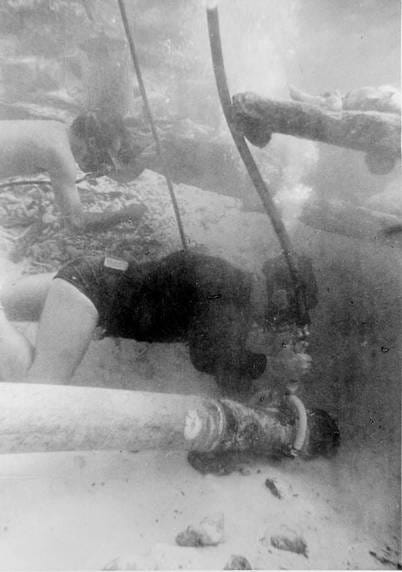
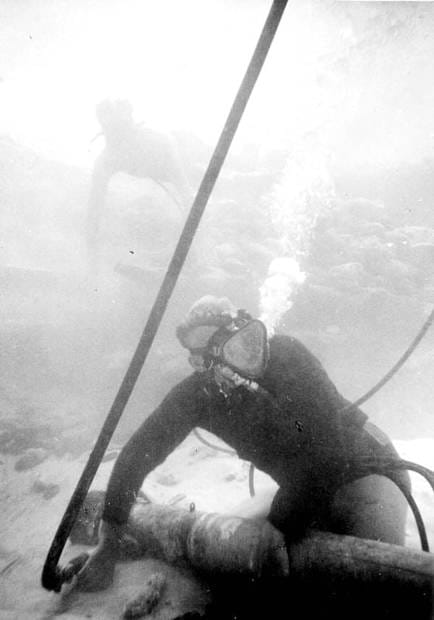
For King Philip IV of Spain, the wreck of La Capitana was a crushing disaster. Spain, teetering on the brink of bankruptcy, required vast sums to pay for European Wars. Every day for four months, divers brought in from Panama dove the waters off the small town of Chanduy. In all, they salvaged some 3,339,751 pesos, a treasure larger than the 2,212 silver bars noted on the ship's manifest.
But with time, changes swept over Europe. The sinking of La Capitana was the beginning of the end of Spain as a major power, and off Chanduy on the coast of Ecuador, currents shifted the sands. Little by little, the silver coins, bronze cannonballs, and other booty that had not been salvaged disappeared, buried under layers of silt. Soon, even the location of La Capitana slipped out of memory.
Shop Authentic Treasure
Explore our collection of authentic shipwreck coins: gold and silver treasure recovered from legendary Spanish galleons.
Browse Shipwreck Coins